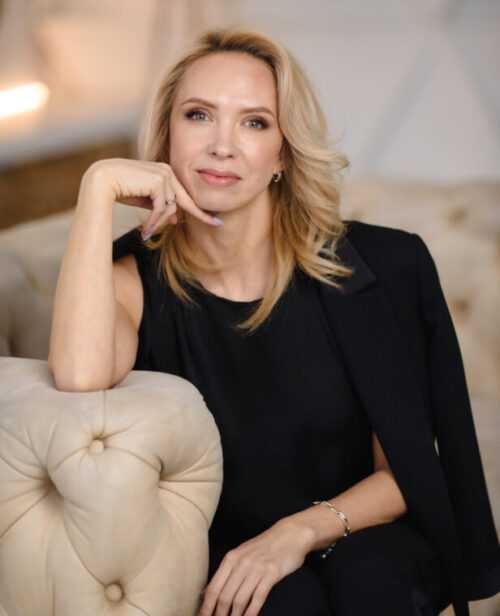

Imagine a person who helps their child get ready for school in the morning, works a full-time job during the day, and spends the evening taking their elderly mother to a medical examination or helping her with everyday needs. These people are known today as the sandwich generation — they are caught between two generations that depend on their support: their own children and their aging parents.
What Is the Sandwich Generation?
This phenomenon is becoming increasingly common around the world. The reasons are quite simple: people are living longer, while many are having children later in life than previous generations did. As a result, the period of life during which people simultaneously care for both their children and their parents is becoming longer.
Researchers at the Max Planck Institute for Demographic Research explain the growing prevalence of the sandwich generation as a consequence of increasing life expectancy and the overlap of several generations within the same family. According to them, these demographic changes are creating new needs for care and mutual support between generations.
Interestingly, the challenge faced by the sandwich generation is not limited to finances. In many cases, the shortage of time, energy, and emotional resources becomes an even greater issue. According to Allianz Life study, 76% of sandwich generation members say that caring for both children and parents has effectively become another full-time job. Meanwhile, 75% admit that it is becoming increasingly difficult to balance their own life goals with their responsibilities toward other family members.

The Financial Trap of Caregiving
The peak of a person's career, active child-rearing, and the repayment of loans or a mortgage usually coincide with the period of life when people earn their highest incomes. At the same time, for the sandwich generation, this is also the stage when new expenses arise: supporting elderly parents, paying for medical treatment, caregiving, or everyday assistance.
This is where the paradox emerges. While taking care of loved ones, people often postpone taking care of themselves. According to the same Allianz Life study, 59% of sandwich generation members have reduced or completely stopped saving for retirement because they need to financially support both their children and their parents. Additionally, 70% admit that this dual responsibility has already negatively affected their long-term financial plans.
Similar findings were reported in a survey conducted by Athene - one of the leading U.S. providers of retirement and annuity solutions. Nearly three-quarters of respondents said they had been forced to reconsider their retirement plans because of caring for family members. One in three expects to work longer than originally planned, while some have already started using their retirement savings to support their families.
In other words, caring for loved ones has become an investment that is often financed at the expense of one's own future.
The New Longevity Risk
Longevity is usually perceived as unquestionably positive news. Indeed, humanity has never lived as long as it does today. However, for economies, pension systems, and families, longer lives create new challenges.
Whereas people once spent 10–15 years in retirement, today retirement increasingly lasts 20, 30, or even more years after the end of a person's career.
As life expectancy increases, so does the likelihood that additional medical care, long-term care, or personal assistance will be needed later in life. That is why experts are increasingly discussing the so-called longevity risk — a situation in which a person lives longer than their financial resources, or their family's resources, can support.
For the sandwich generation, this risk has two dimensions. On the one hand, they need to support parents who are living longer than ever before. On the other hand, they must simultaneously prepare for their own future so that they do not place the same burden on their own children later in life.
This is why interest in cash value life insurance programs, long-term care solutions, and other financial planning tools for a longer life is growing rapidly around the world.

Why Are People Aged 40–55 Becoming the Most Important Audience for Life Insurance?
The financial burden carried by the sandwich generation makes it one of the most important social groups for the life and health insurance industry. These individuals are often the primary income earners in their families. The financial well-being of several generations depends on their ability to work and maintain financial stability.
Notably, most members of the sandwich generation are not concerned about abstract financial risks. Instead, they worry about very practical questions:
- What happens if I have to leave work for an extended period because of illness?
- Where will I find the money for medical treatment?
- How can I provide for my family if the primary breadwinner temporarily or permanently loses their income?
These are precisely the real-life situations that are increasingly becoming the focus of insurers across Europe and North America.
Experts note that the insurance products of the future will increasingly be designed not for individuals alone, but for the needs of the entire family. When one member of the sandwich generation loses financial stability, the consequences are often felt simultaneously by both parents and children.
That is why the role of insurance is gradually expanding beyond traditional financial protection and becoming an essential element of a family's long-term strategy.
Who Will Take Care of Those Who Take Care of Everyone??
The challenges facing this generation have long extended beyond individual family stories. Insurance companies, employers, and governments are increasingly recognizing them as one of the key challenges of the coming decades. The issue is not only how to support elderly people or young families. It is equally important to preserve the financial, physical, and emotional resilience of those whose efforts sustain the well-being of several generations at once.
One of the most visible trends is the transition from insuring individual risks to supporting people throughout their entire lives..
New insurance solutions are increasingly integrating health, financial resilience, and longevity into a single system. This is no longer just about paying benefits when an insured event occurs. It also includes disease prevention, support for healthy lifestyles, wealth accumulation, and long-term financial planning.
Another important direction is the development of solutions that help people remain financially independent in later life.
In its latest research, Swiss Re emphasizes that life insurance is gradually shifting from traditional family protection toward products that help finance longer lives, long-term care, and healthcare needs after retirement. The better prepared people are for their own longevity, the less financial pressure will fall on their children in the future.
The industry is also paying particular attention to preserving the health, work capacity, and quality of life of middle-aged people.
International experts increasingly emphasize that the goal is not simply to help people live longer, but to help them remain healthy, active, and financially independent for longer. That is why critical illness insurance, cash value life insurance, and other financial protection solutions are becoming increasingly important, allowing people to build greater financial resilience for themselves and their families.
When the well-being of both your children and your parents depends on your health, income, and financial stability, taking care of your own future becomes an essential part of taking care of those you love. That is why, at TAS life we view life and health insurance as a tool for providing long-term support to families. After all, it is much easier to take care of others when you have a solid foundation for yourself.